
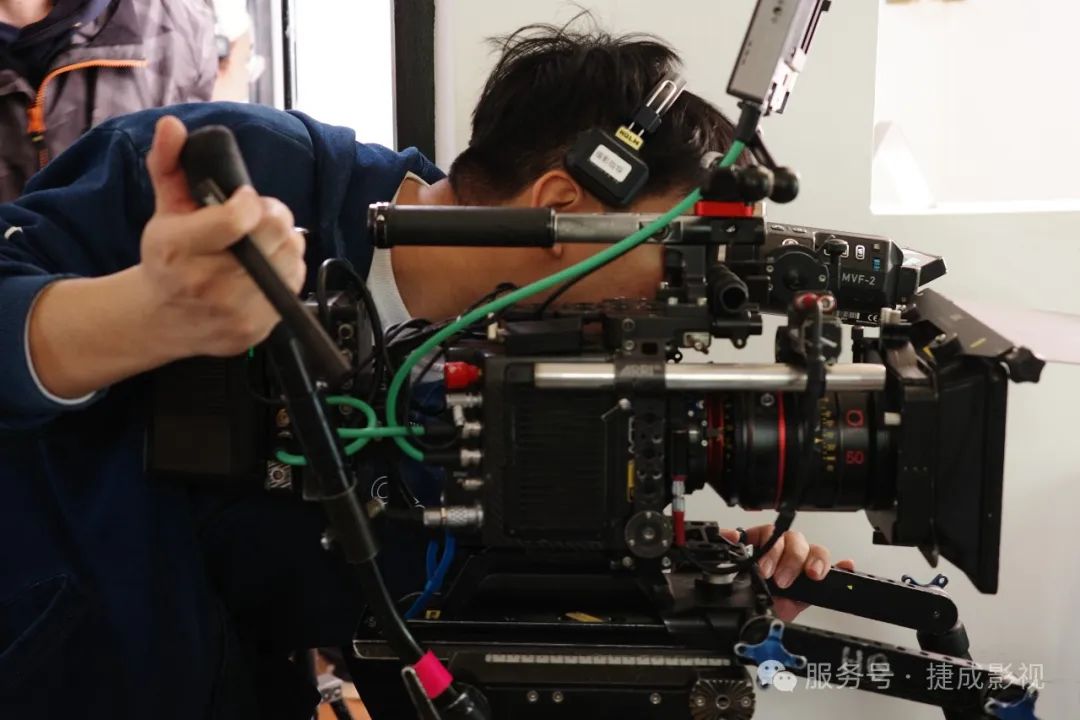
Zhu Yongkang, a photography director who graduated from the Photography Department of Beijing Film Academy, has participated in the filming of a number of film and television works, such as the movies ‘Sniper’ and ‘Above the Cliff’, the TV series ‘Across the Yalu River’, and the documentary ‘Looking for the Stars in My Heart’. Served as the director of photography in the short film ‘Revenge’, which won the best photography awards at a number of international film festivals.

Zhu Yongkang is good at using photography technology and lens language to express the interaction between actors, environment, and camera through the choice of viewpoint. In this interview, he shared his deep experience of angenieux OP fixed focus and EZ zoom lenses, and how to use their unique advantages during the shooting process.
What is your impression and evaluation of angenieux OP fixed focus lens? What is unique in technology or art? How did you feel about the actual shooting?
This is the first time I have used angenieux OP, a high-end fixed-focus lens, and I am very satisfied with the performance of this lens on the technical and artistic levels. In the words of Teacher Yuan Jiaping, the teacher of the department, in class: The OP lens group has a high level in eight aspects: image, clear, bright, uniform, accurate, suitable, small, and durable.
First of all, in terms of technical indicators, no matter how large the aperture of the angenieux lens is opened, there is almost no distortion in the restoration of geometric lines, and the color reproduction is also very accurate. Especially when opening large light holes, the edges of the picture will not produce color distortion. In addition, the OP has a strong luminous flux ability, the resolution and sharpness of the lens are very high, and the image is rich in layers. What amazes me most is the light-through ability of An Qin OP lens, which allows details to be captured well under low-light conditions, and the image field can be maintained with consistent brightness. There is no significant quality degradation at the edges.
In terms of the handling of the lens, the scale of the lens is accurate and uniform, and the damping force is moderate and uniform. This is extremely important for the focus person under the working conditions of large light holes to maintain a constant feel.
How do you define the characteristics of An Qin fixed-focus lenses? How does the lens help you create and shoot?
angenieux OP fixed-focus lens has done a very good job in terms of real reduction. angenieux OP fixed-focus lens is very good at real reduction. Whether it is the capture of details or the restoration of light, the lens shows extremely high stability. When shooting the project ‘Your Gaze’, the depth of field transition of the lens in the live shooting showed a very good sense of layering, especially when emphasizing the relationship between the characters and the environment, it creates a warm and soft sense of light, which is perfectly in line with the emotional expression of the film.
When shooting the subject of the project ‘Your Gaze’, what are the main considerations for the choice of focal length in different plots?
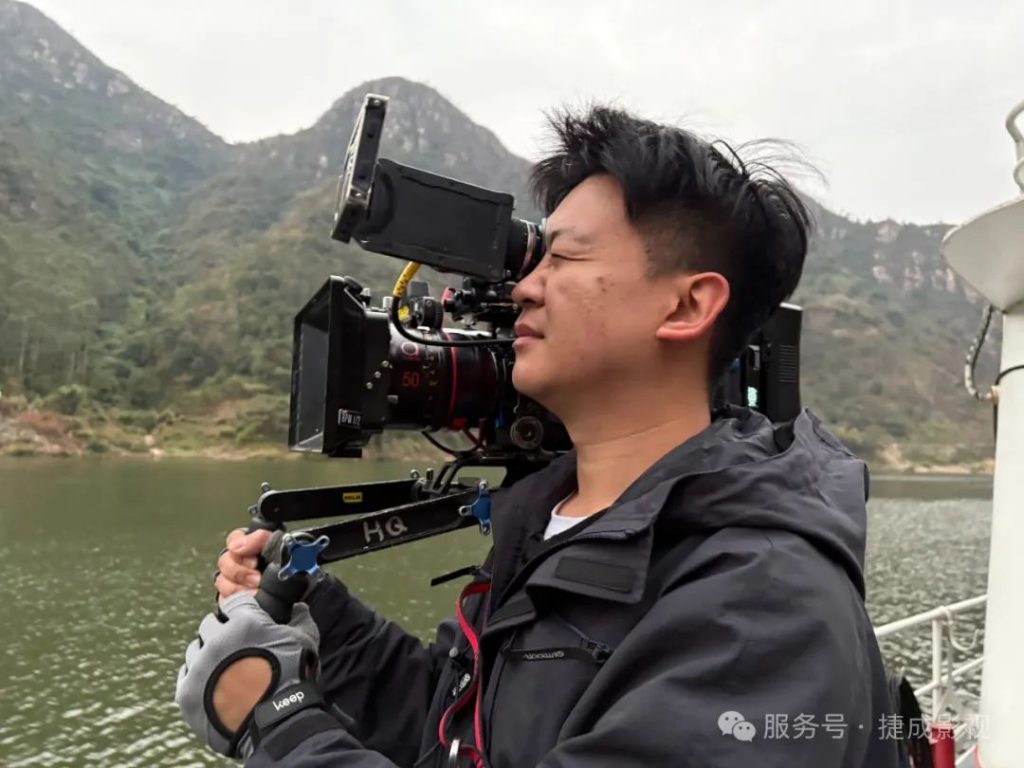
In order to emphasize the concept of “geographic determinism”, we mainly use 24, 35, and 50mm lenses to connect people with the environment. These focal segments can well present the interaction between people and the environment, and with a large aperture, they can express the subject without losing the subject, while maintaining the transparency of the picture. When shooting a picture of the character falling into self-thinking, we used a longer focal length lens (such as more than 100mm) to strengthen the character’s loneliness and alienation from the surrounding environment. When the character is in a lonely state, the telephoto lens can better compress the space and show a strong emotional tension, but what surprises us is that no matter whether it is angenieux OP or EZ lens group, the out-of-focus imaging will not be pasted into a piece, which has a good effect, which indirectly strengthens the single lens.Sense of space.
Are there any other color filters used in the actual shooting process?
For the shooting of this project, we did not use too many color filters. We only used black magic filters. The accurate restoration of the subject is also a kind of artistic expression of the lens. Therefore, based on the powerful restoration ability of angenieux lens, I hope to retain the detailed presentation of the scene itself in the subject space as much as possible. In addition, the performance of the angenieux lens is very stable. Even in scenes with large light and dark contrasts, the lens can still accurately restore details without any obvious light distortion.
How do you match fixed focus and zoom lenses?
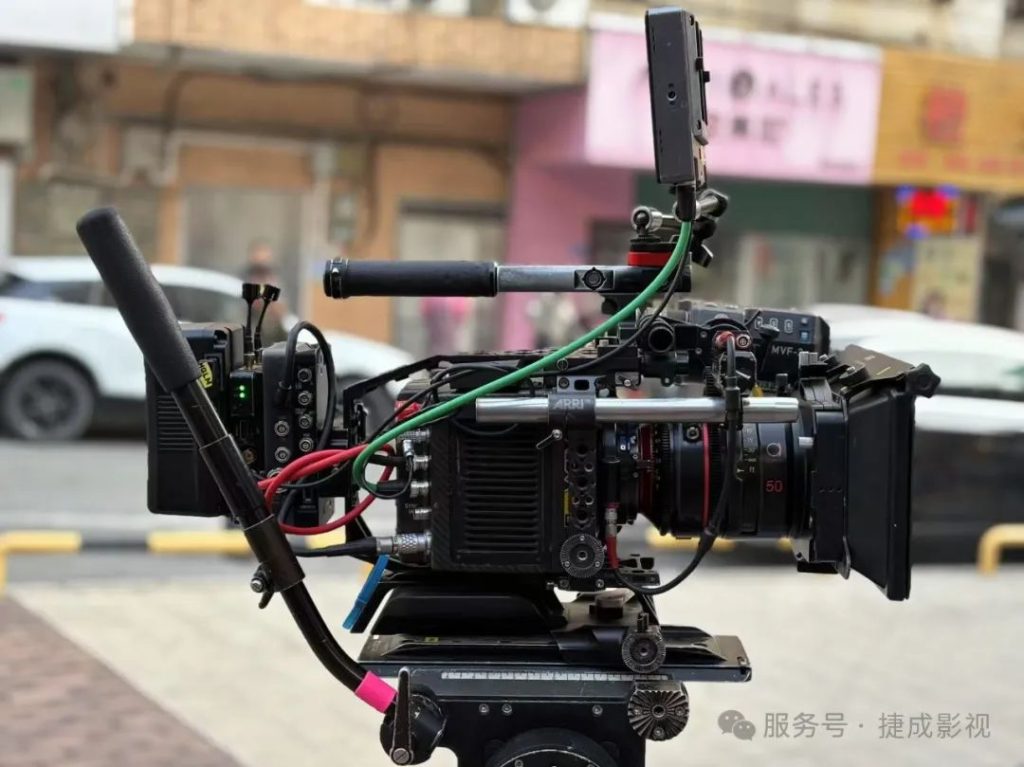
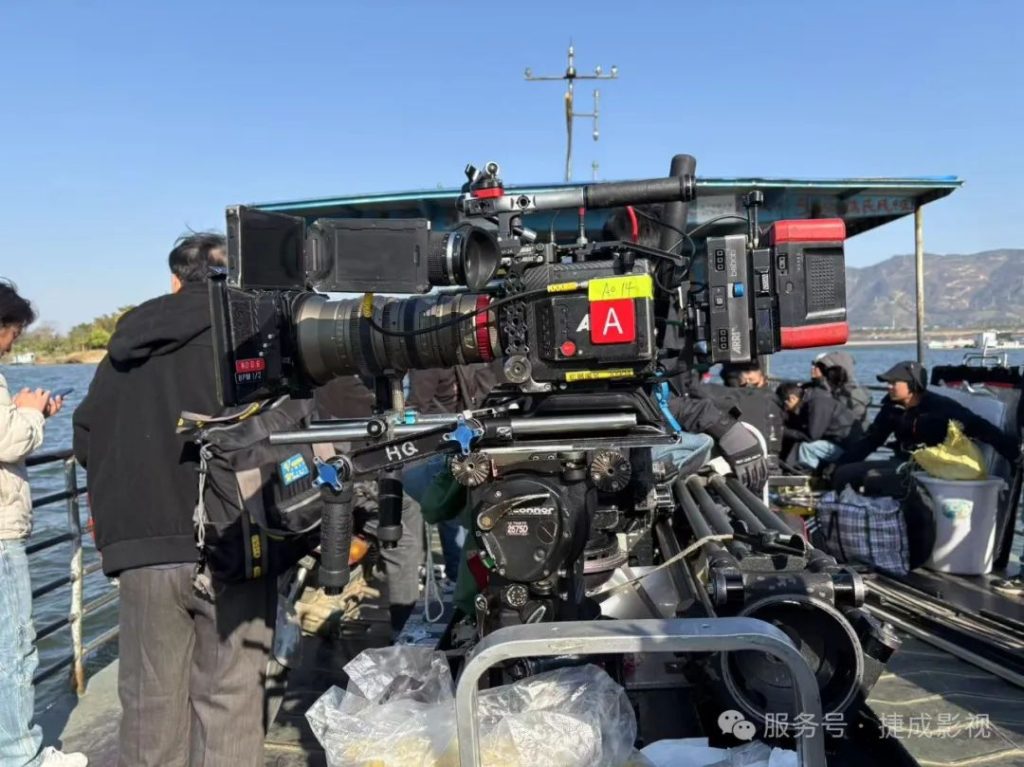
The fixed-focus lens models we use this time are: OP 18/21/24/28/32/50/75/135. Zoom lens models are: EZ2 22-60mm, EZ1 45-135mm, the new EZ3 68-250mm. Zoom lenses are usually used to shoot some fast-switching scenes or shots that require spatial compression, while fixed-focus lenses are used to shoot between people and scenes. At the same time, angenieux‘s fixed-focus lens and zoom lens have very good adaptability in image quality, and can be switched seamlessly to ensure the consistency of the picture.
For the new EZ3 68-250, I think the first is its modular design, which can match a variety of cameras and adapt to different imaging components.
Secondly, in our actual shooting, the daily temperature difference is large, but EZ has a powerful temperature compensation function, which allows us to avoid recalibrating due to the temperature difference, saving a lot of time in on-site work.
Third, the new EZ is very remarkable in terms of weight and size optimization, it is very convenient to replace the lens, and the feel of the zoom ring is also very beneficial. At the same time, I want to say something contrary to Tiangang behind Teacher Yuan’s back: I think this head is above the 135mm focal length. Based on the script, the photographer can try the physiological limit-handheld. (Based on the size, weight, and optical anti-shake of the lens)
What themes do you think angenieux OP lens is suitable for interpreting?
It can control the shooting of various subjects, especially in terms of light performance, and can restore the details and emotions of life very realistically. As mentioned before: the accurate restoration of the subject is also an important part of the artistic expression of the lens. An Qin lenses have a particularly strong ability to restore high-contrast and low-light environments, and can show a very rich sense of picture layering.
In the interview, the director of photography Zhu Yongkang also shared some of his deep thinking and creative ideas about the use of lenses. He said that the duty of a photographer is not only to capture the picture, but also to express the interaction between the actor, the environment, and the camera through the choice of viewpoint. This interview not only shows the photographer’s professional understanding of the lens (considering the 8 major factors of the lens, namely image, clarity, brightness, uniformity, accuracy, trial, small, and resistance), but also reflects his thinking and practice in actual shooting.
Photo provided by: Photography director Zhu Yongkang